(02)8261 0596


 go@wofdi.com



The Women's World Cup 2027: How Women's Football Got Here
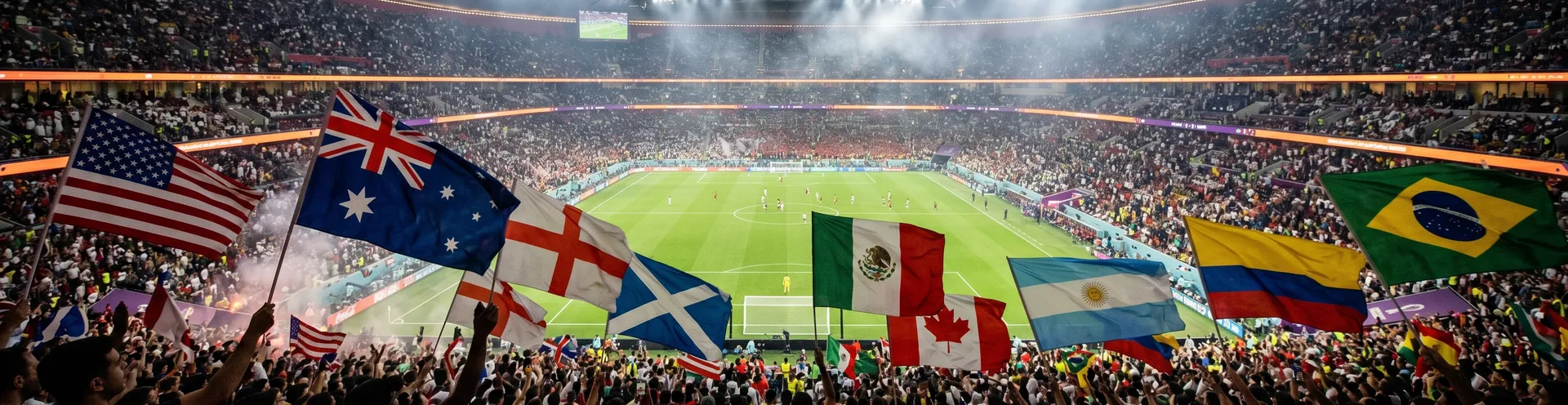
The Women's World Cup 2027 will be held in Brazil — the first time the tournament comes to South America. But before the first ball is kicked in Rio or São Paulo, it is worth understanding how long and how hard the road...

The Opening Ceremony: How the Greatest Show in Sport Became What It Is Today
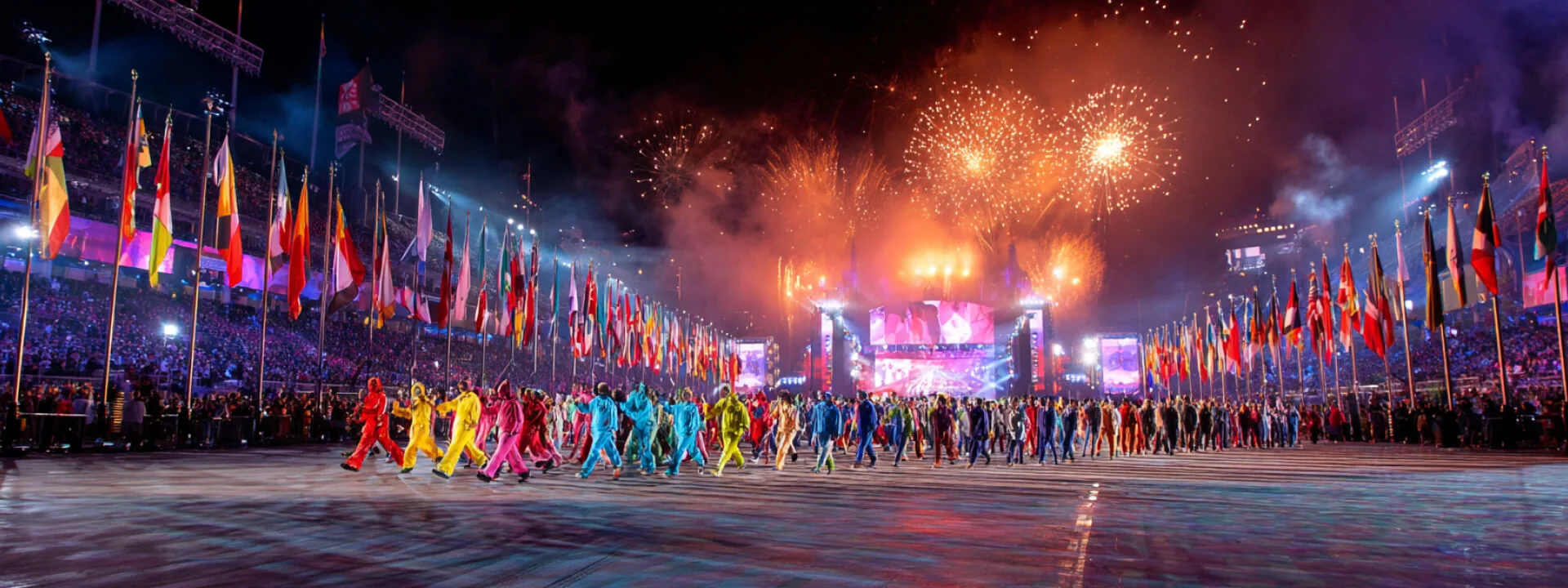
Before a single race is run or a single medal awarded, the opening ceremony has already told you everything you need to know about the Games that follow. It is the largest coordinated artistic event on the planet, watche...
The Opening Ceremony of Women's Football: The Forgotten Pioneers
Women have been playing football since the game existed. The first recorded women's match took place in Scotland in 1881, in Inverness, though the reports of the time treated it more as curiosity than sport. In England,...

The Ban, the Wilderness Years, and the Slow Return
The FA's 1921 ban was blunt in its reasoning: football, the governing body declared, was "quite unsuitable for females." Member clubs were prohibited from hosting women's matches on their grounds. The effect was immediat...
The First Women's World Cup: China 1991
The first FIFA Women's World Cup was held in China in 1991 — quietly, without much fanfare from the wider football world, and with a tournament name that did not even include the word "World Cup" (it was officially calle...
The Rose Bowl Moment: USA 1999
The 1999 Women's World Cup final was played at the Rose Bowl in Pasadena before 90,185 people — at the time, the largest crowd ever to watch a women's sporting event. The United States beat China on penalties. Brandi Cha...
From Australia 2023 to the Women's World Cup 2027 in Brazil
The 2023 Women's World Cup in Australia and New Zealand was the largest edition yet — 32 teams, record attendances, and a global television audience that for the first time genuinely rivalled major men's tournaments in s...
The Opening Ceremony in the Early Games: Form Without Spectacle
The first modern Games took place in Athens in 1896, and the opening ceremony was — by any contemporary standard — almost perfunctory. King George I declared them open in a speech, a crowd gathered in the Panathenaic Sta...
The Opening Ceremony as National Statement: Berlin 1936 to Melbourne 1956
The 1936 Berlin Games marked the first time a host nation used the opening ceremony as a deliberate instrument of national projection at scale. The organization was meticulous, the production values unprecedented, and th...
The Opening Ceremony Goes Global: Television and the Age of Spectacle
The 1964 Tokyo Games were the first to be broadcast live internationally via satellite, and they changed everything. A ceremony that had previously been witnessed by a stadium crowd of tens of thousands was now being wat...